

How to Modernize Legacy Systems: Introduct Guide

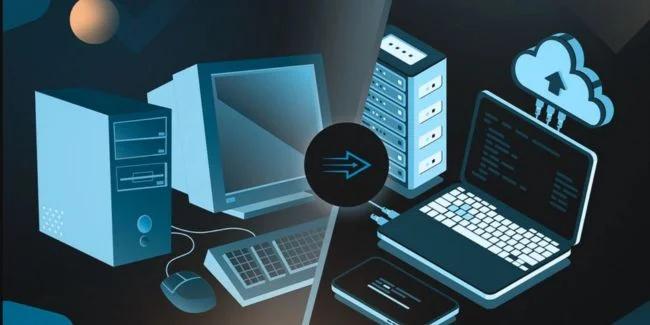
A quick example: the system has been running since 2009. Nobody on the current team built it. The documentation is either missing or wrong. And the business can’t stop using it long enough to replace it.
This is the starting position for most legacy modernization projects. The risk isn’t that modernization is impossible. The risk is that organizations underestimate how much the old system has absorbed the institutional knowledge that isn’t written down anywhere.
What makes legacy modernization different from regular software development?
Standard software development starts with a blank slate. Legacy modernization starts with a system that is, by definition, doing something right, or the business would have replaced it already. The goal is to preserve what works while eliminating what makes the system slow, fragile, or expensive to maintain.
That distinction changes the whole approach. You are not just building new software. You are reverse-engineering business logic that may exist only in the behavior of the old system, and you are doing it while that system continues to serve production traffic.
The assessment phase most teams skip
The most expensive mistake in legacy modernization is starting the rewrite before completing the inventory. You need to know what the system actually does, not what the original specification said it would do.
A proper pre-modernization assessment covers:
- All active integration points with external systems, internal databases, and third-party APIs.
- Business rules embedded in the application logic, particularly any rules that exist nowhere else in writing.
- Data quality baseline in the existing system, since migrated data inherits whatever problems the old data had.
- Actual usage patterns, because what users rely on most is often different from what the system was designed to prioritize.
The three modernization paths and when each one fits
Incremental refactoring
You keep the existing system running while rebuilding components piece by piece. Each component is replaced and validated before the next one is touched. This is the lowest-risk path and usually the slowest.
Parallel running
The new system runs alongside the old one, processing the same transactions. Outputs are compared until confidence is high enough to cut over. Introduct has covered this approach in detail for mainframe environments, where the stakes of a failed cutover are highest.
Strangler pattern migration
New functionality is built in the modern system, while old features are gradually retired. Traffic is routed from the legacy system to the modern system over time. This is the most practical approach for large enterprise systems with hundreds of interdependencies.
How to manage stakeholder expectations during modernization
Business stakeholders often expect modernization to be invisible from their perspective. It rarely is. The more honest framing is that modernization will cause some temporary friction, and the goal of the technical team is to keep that friction small and predictable.
Establishing a clear communication cadence, with honest updates about what has been migrated, what is still on the legacy system, and what the cutover schedule looks like, keeps stakeholder trust intact even when timelines stretch.
💡 Pro tip: Always build a fallback path before each incremental cutover. The question is not whether something will go wrong during migration. The question is how quickly you can revert to a known-good state when it does.
Modernize without the disruption. Introduct’s custom development team has guided legacy modernization projects across insurance, logistics, and financial services. If you are assessing a legacy system and need a realistic migration timeline, talk to our team.
More Articles

AI-Powered Custom Software: What Boards Need to Approve First AI-Powered Custom Software: What Boards Need to Approve First
The development team is ready, the use case is defined, and a vendor is selected. And then the project hits a six-month delay because nobody asked the board who owns the data the AI will be trained on. AI custom software development projects fail at the governance stage more often than the technical stage. The […]

How to Build a Dedicated Development Team That Actually Ships How to Build a Dedicated Development Team That Actually Ships
You approved the headcount and signed the contract. And a few weeks later, your dedicated development team is producing reports on what they will build next sprint. Nothing has shipped. This happens more often than most vendors admit. The dedicated team model is genuinely powerful, but it fails in predictable ways. Understanding those failure points […]