




Your Supply Chain Is Regionalizing Faster Than Your Software Can Keep Up
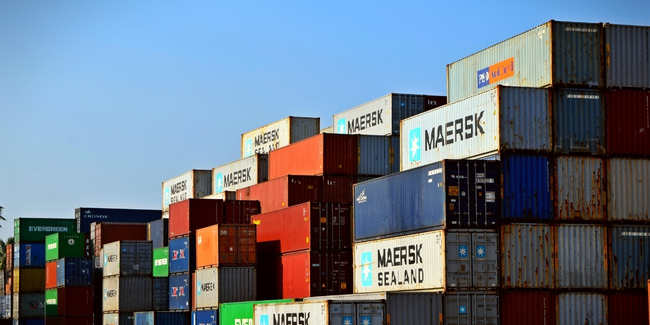
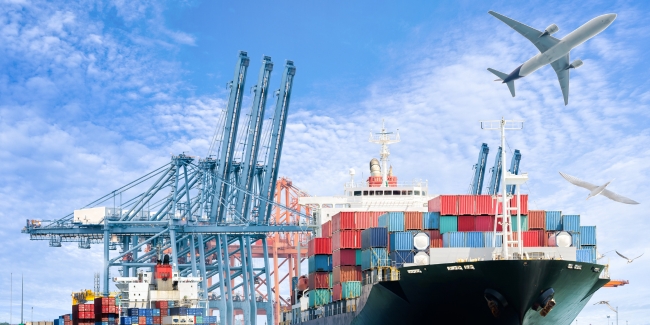
You approved the regional sourcing shift eighteen months ago. Nobody in that meeting asked what it would do to your systems. That question showed up anyway, just later, and in a worse form. A shipment stuck at customs because two systems couldn’t agree on which documentation format applied to the new corridor.
What breaks when you regionalize
Regionalization and nearshoring got approved as a resilience strategy, and on that level, they’ve delivered. Diversified sourcing reduces exposure to any single port, tariff regime, or geopolitical flashpoint. What rarely makes it into the board deck is what happens underneath. Every new region means a new carrier API, a new customs data format, a new set of compliance checks that have to run in real time, not batch overnight.
None of that shows up on a sourcing map. All of it shows up in your operations team’s inbox. Which is exactly the gap logistics software solutions must close before it becomes a shipment problem.
Debt you can defer vs. debt that becomes exposure
Not every piece of this is urgent, and the distinction matters. Adding a second freight-forwarding partner in a new region and manually reconciling their data for a quarter is integration debt you can defer. Running live trade-compliance checks through a system that was never built to talk to a new customs authority’s API sits in a different category. It surfaces as an audit finding or a stuck shipment with your name on the delay. Most companies getting this wrong aren’t ignoring the problem. They’re treating both kinds of debt the same way. The urgent one waits in the same queue as the annoying one until it becomes a crisis.
Built for exactly this
Introduct worked on an integrated freight-forwarding platform for Kuehne+Nagel, one of the world’s top three logistics and freight-forwarding companies, connecting it directly into Apple’s systems to handle global distribution. It’s a real example of custom logistics software development at multi-party scale — carriers, customs, and a manufacturer’s systems all needing to agree on the same shipment in real time, where a data mismatch means a missed delivery.
Three questions before your next sourcing expansion
📌 Which systems have to talk to a new carrier or customs authority, and do they already know how?
📌 Which of those integrations is safe to build manually for now, and which one creates compliance exposure if you wait?
📌 And who owns the answer to that second question — because right now, in most companies, nobody does.
Introduct has already answered it once, for one of the largest freight networks in the world.
More Articles

Who’s Accountable When Your AI Agent Makes the Wrong Call? Who’s Accountable When Your AI Agent Makes the Wrong Call?
An AI agent approves a shipment against an embargoed port. Nobody signed off on that specific decision. The system had permission to act, and it acted. By Monday morning, the question isn’t why the model made that call. It’s who owns it. That question is landing on more desks than most founders realize. Gartner projects […]

The 3-Month Wall: Why “Vibe Coding” Breaks Your Codebase The 3-Month Wall: Why “Vibe Coding” Breaks Your Codebase
The tech industry is fully immersed in the era of vibe coding. Many companies and developers rely fully on these tools. But can we really trust them? AI-driven development engines like Windsurf and Cursor offer a lot of opportunities. Now, devs don’t need to spend weeks coding. Instead, there are just a couple of hours, […]